Project
POWER
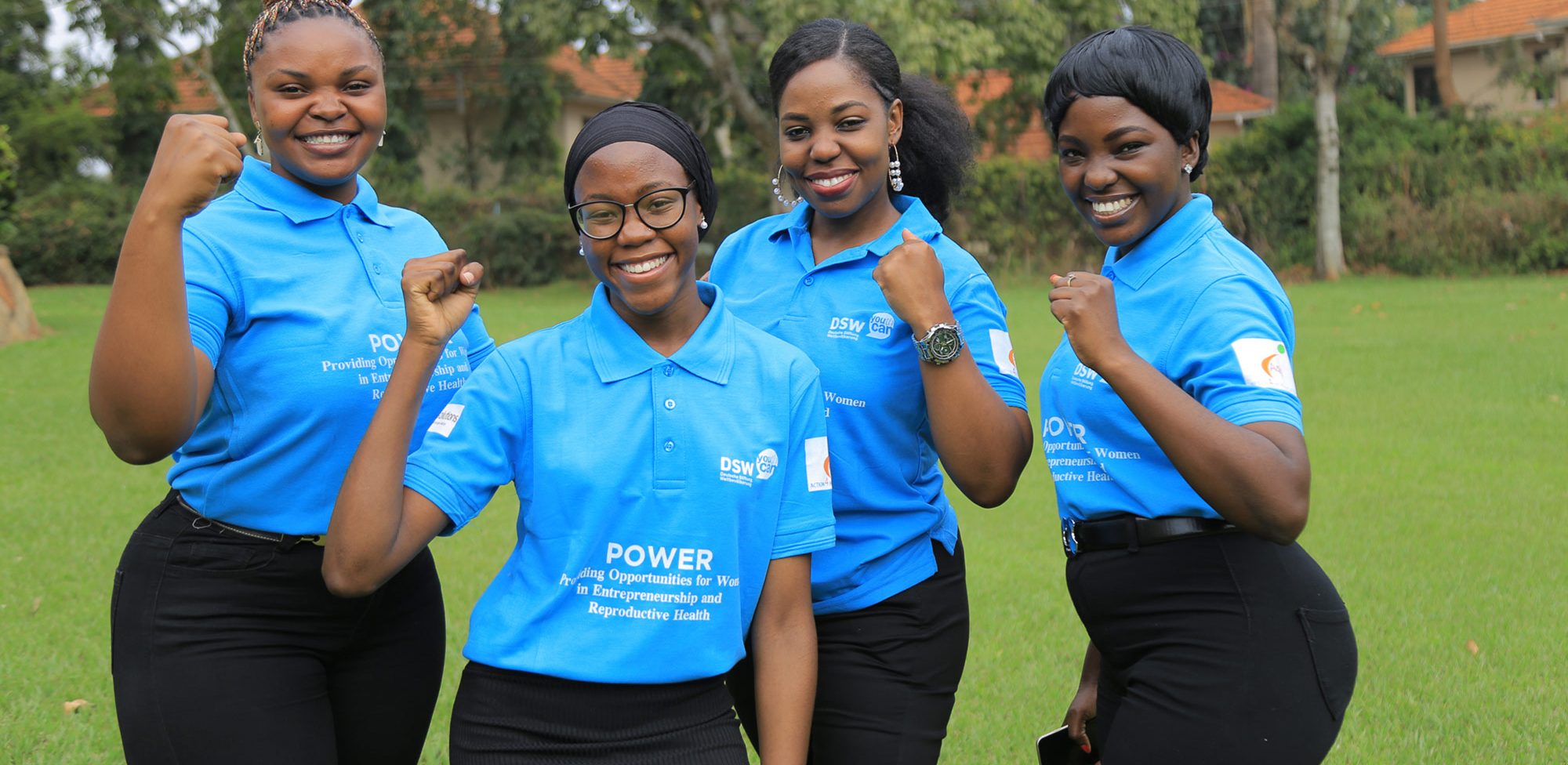
POWER (Providing Opportunities for Women in Entrepreneurship & Reproductive Health), is a new start-up accelerator project, which was first implemented in Uganda by Deutsche Stiftung Weltbevölkerung (DSW) in collaboration with our partner, Action 4 Health Uganda (A4HU). POWER is a transformative initiative that aims to empower women entrepreneurs (18-30 years) and foster the creation of innovative businesses that will positively influence the supply and demand of family planning and sexual and reproductive health and rights (FP/SRHR) information, services, and products. By focusing on the intersection of entrepreneurship and start-up growth, reproductive health, and technology, the project has achieved remarkable success during its pilot phase and has ambitious plans for further expansion into 2025.
Given the impact achieved in Uganda, DSW is now expanding POWER to Tanzania in 2024.This initiative will align with the countries national framework ‘Vision 2025’ strategy, aimed at addressing socio-economic challenges. Offering comprehensive in-person and online training, the accelerator has been designed to equip women-led start-up owners with vital skills, mentorship/coaching, and leadership development, which also includes the development of an alumni-network to ensure continued support and network expansion. Similar to POWER in Uganda, the accelerator also integrates with DSW’s youth clubs and Youth Empowerment Centres, ensuring sustainability of the approach and development of future, locally driven enterprises for reproductive health.
Join us in shaping a future where POWER empowers women leaders, transforms communities, and drives local, sustainable change!

Meet the entrepreneurs
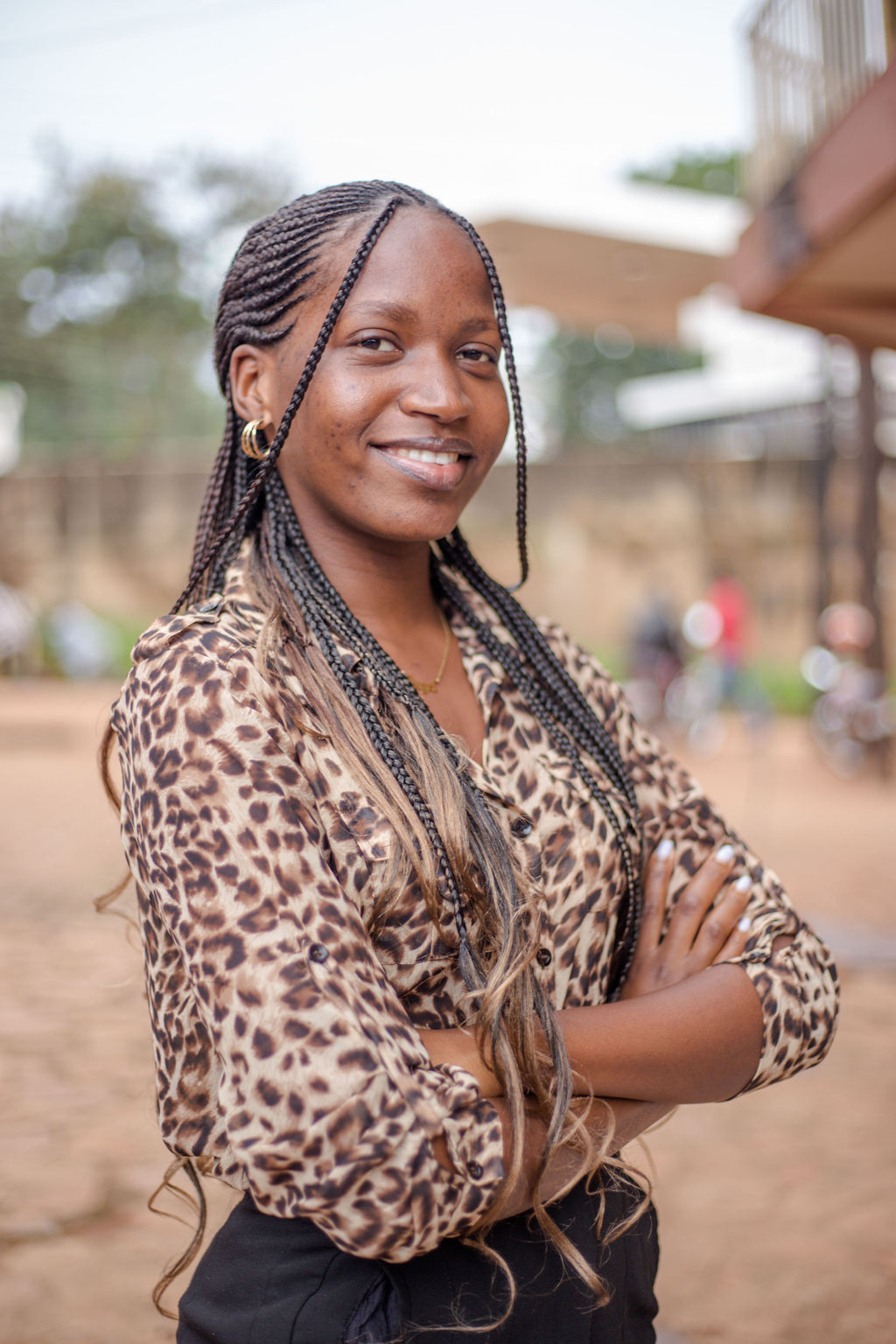
Joan Patience
Startup: Simply FP App
Profile: An on-demand app that provides accurate information about FP products, contraceptives, and services. It aims to dispel misinformation about FP and counteract harmful cultural beliefs.
How: Using GPS coordinates, the APP enables users to ask questions about FP and receives real-time answers from all health facilities that provide FP information and services.
Aim: Her long-term commitment is to change the way sexual and reproductive health is managed in Uganda.
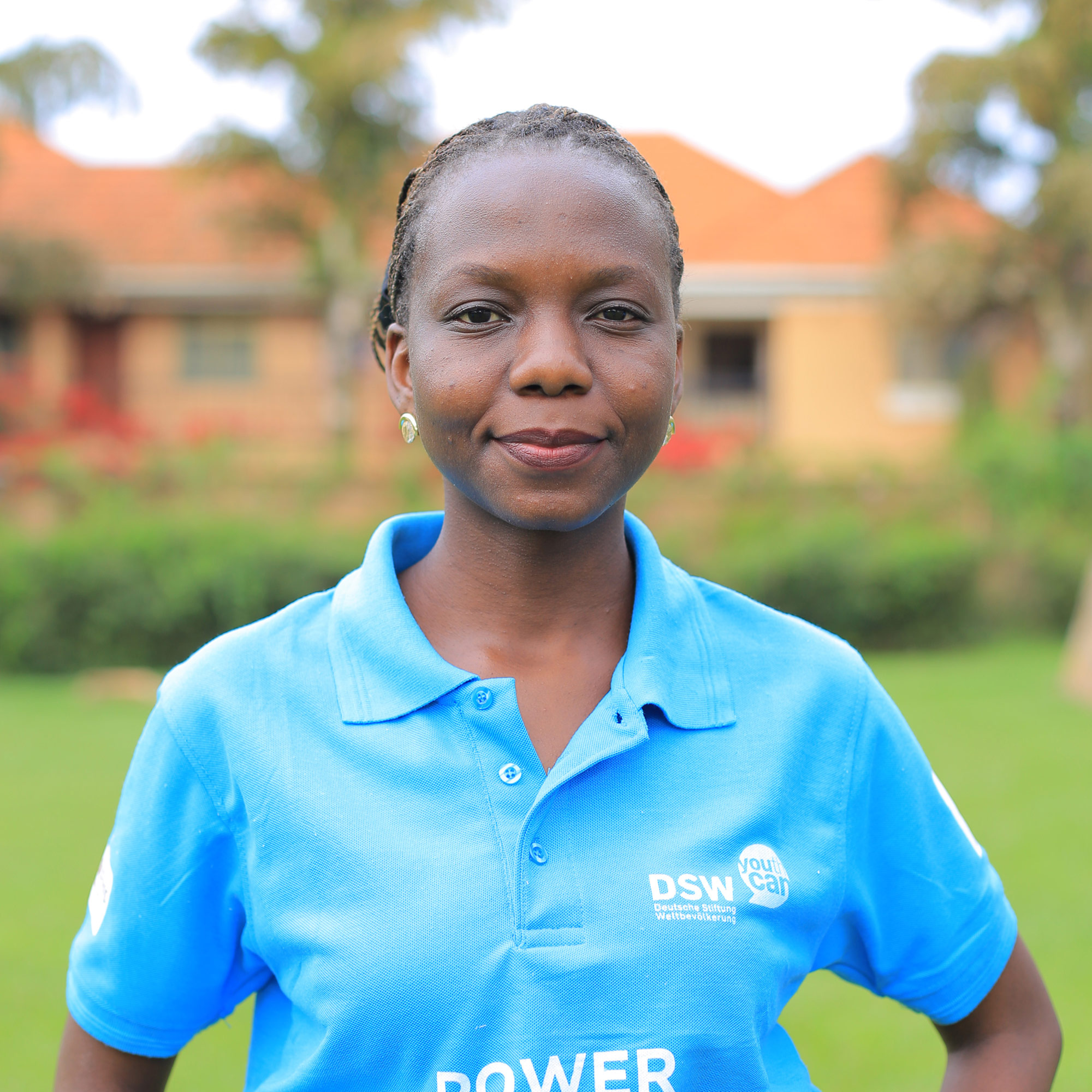
Sumayyah Nakimuli Sengendo
Startup: Totler
Profile: Totler is a social enterprise focused on creating social impact for its clients (mothers and babies) and the community at large.
How: Totler’s unique selling point is the provision of SRHR/FP education under the ‘Totler Mother’s Campaign’. Through educational activities and awareness (such as SMS text messages), Sumayyah and her team prepare Totler clients for childbirth and the postpartum period with SRHR information.
Aim: To develop and help replicate a community-based approach to healthcare by building a network of Totler Mothers across Uganda!
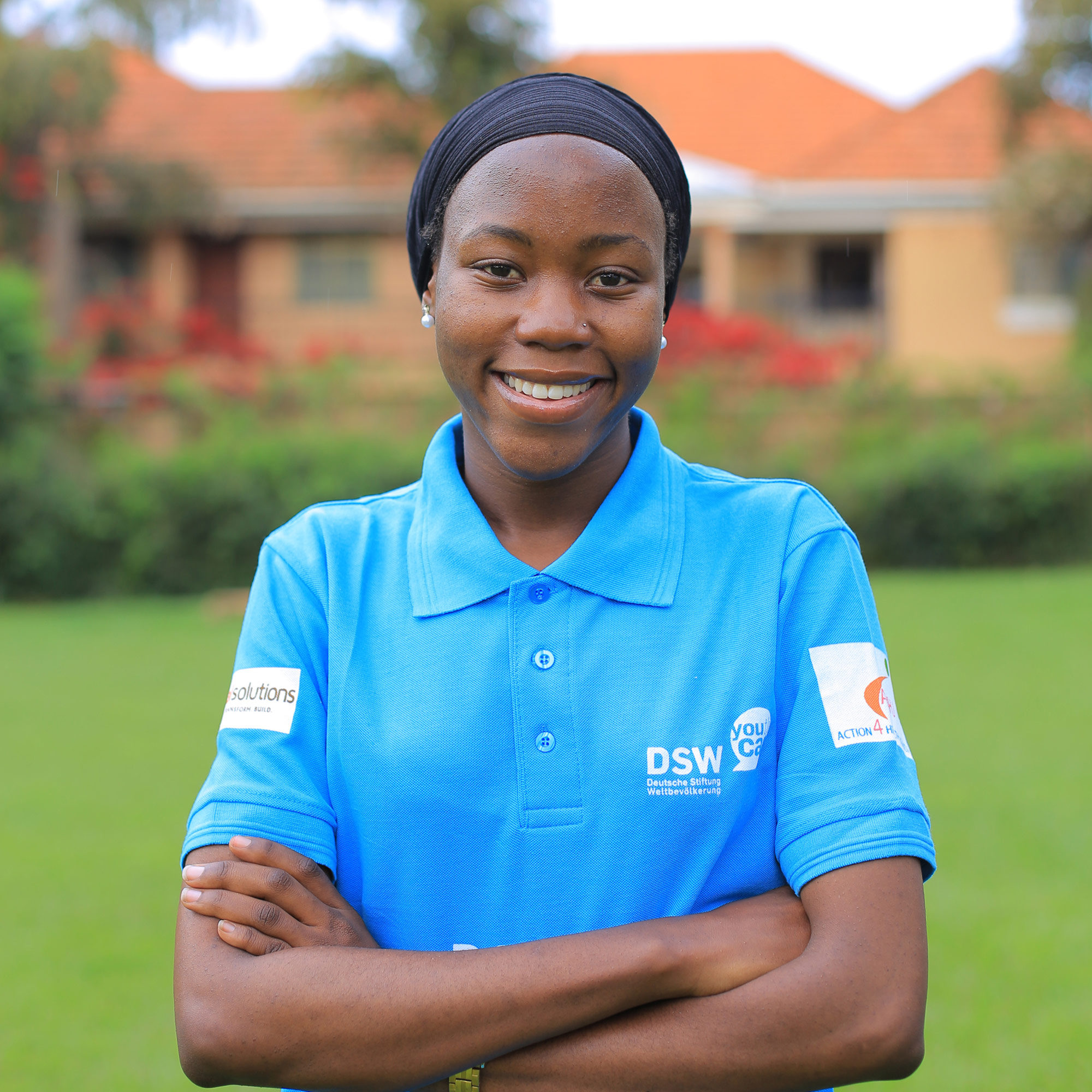
Natukunda Sharon
Startup: Green Homeland Initiative (GHI)
Profile: Protecting the environment through eco-friendly sanitary pad production and waste transformation.
How: Empowering women and youth through sustainable sanitary pad production, promoting hygiene and income generation, while raising awareness about waste disposal and menstrual hygiene management in schools and communities.
Aim: To involve all women and girls in environmentally friendly enterprises in Uganda to improve their lives economically and protect their reproductive health.
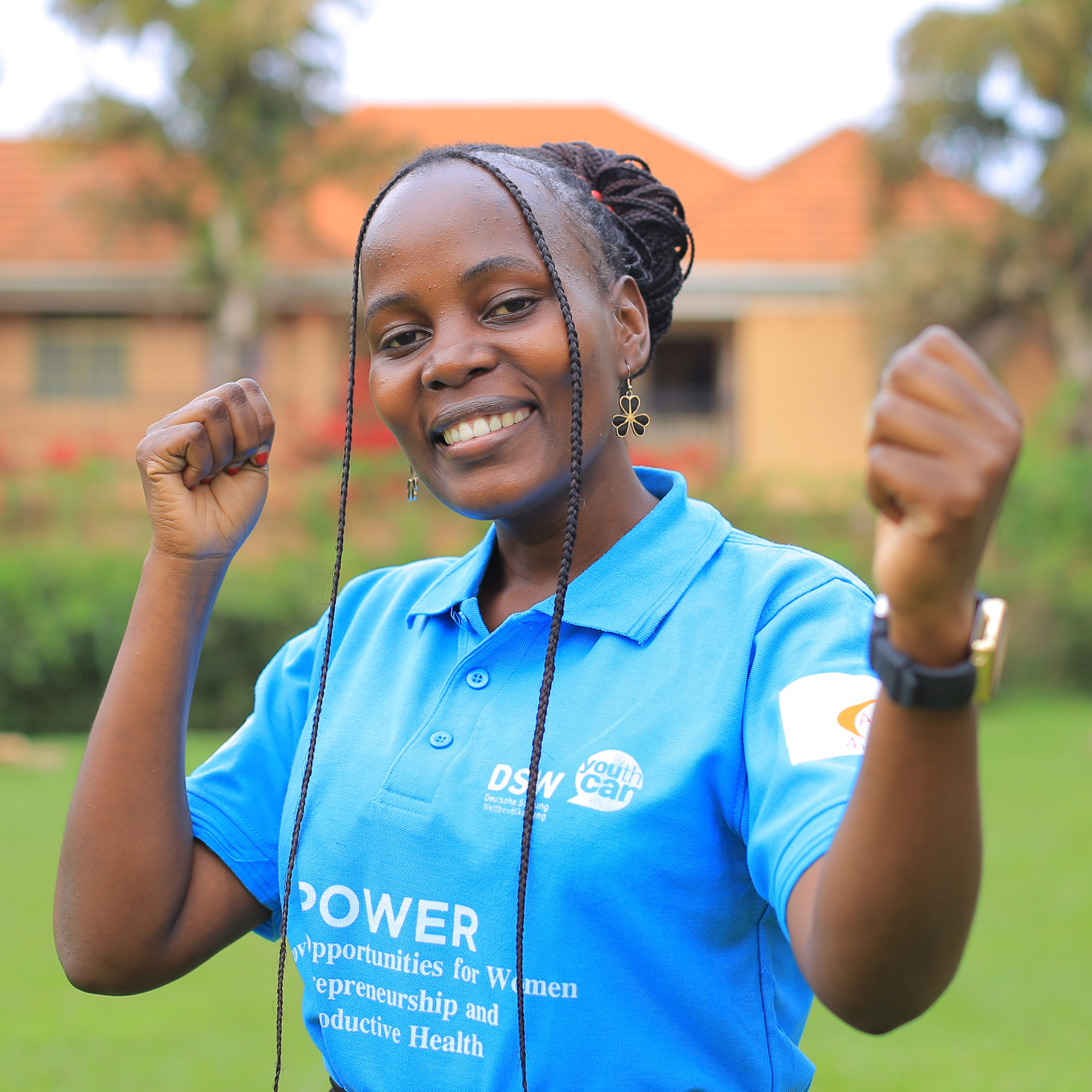
Rebecca Florence
Startup: Shetechtive Uganda
Profile: Shetechtive Uganda empowers adolescent girls and young women through technology solutions for sustainable development.
How: Through their innovation called GAWAH, Shetechtive Uganda uses a WhatsApp chatbot named “Aunty Flo” to provide SRHR information, products, and services, addressing the unmet need for family planning in urban slums.
Aim: Shetechtive Uganda aims to empower young women by offering accessible SRHR information through their chatbot, while creating a market for contraceptives and SRH service providers and promoting their offerings through trade shows, partnerships, and digital marketing.
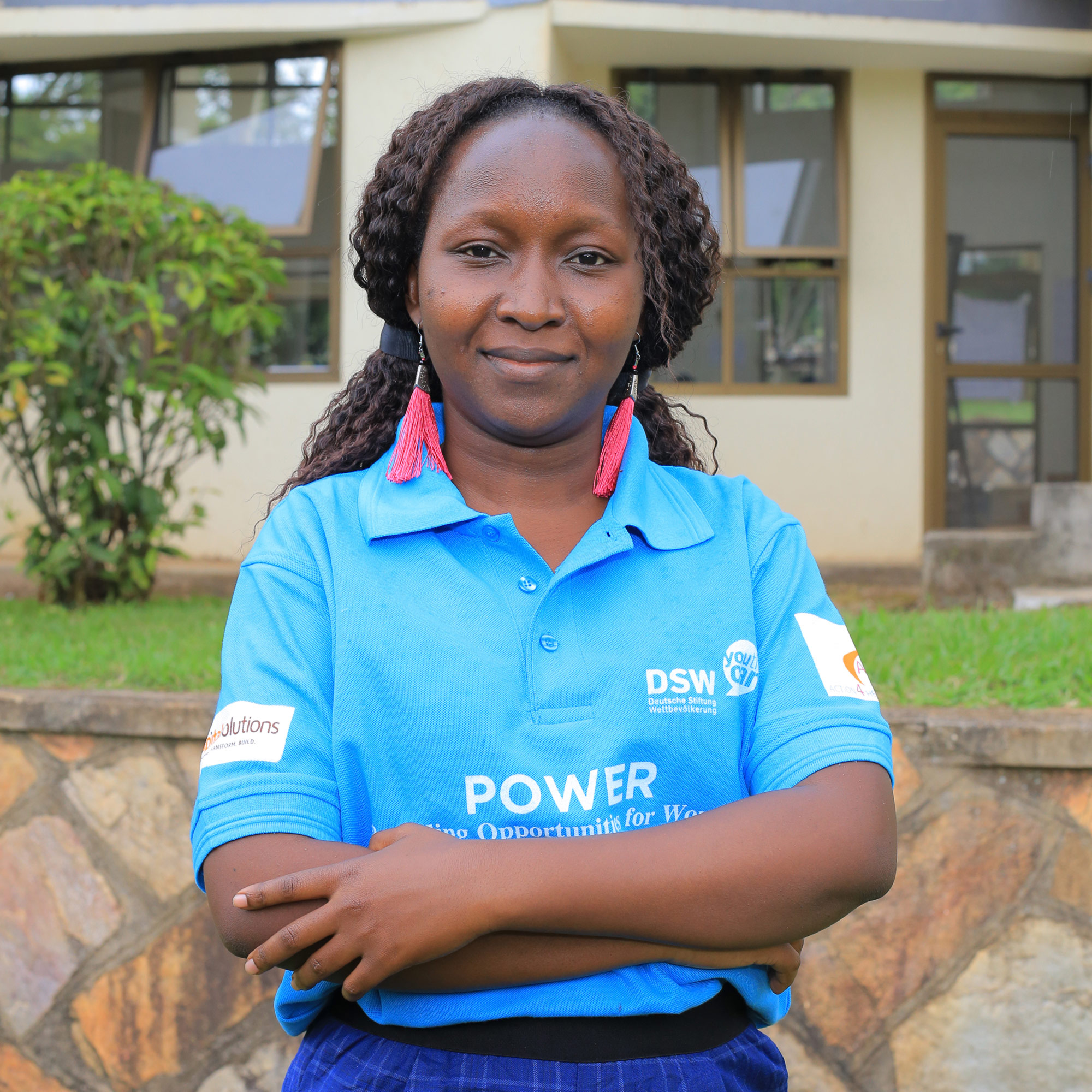
Evelyn Logose
Startup: Safe Delivery Kits
Profile: Safe Delivery Kits is a startup that will enhance the sexual reproductive environment through improving accessibility to standard, affordable, eco-friendly and high-quality delivery kits among adolescents and young women in order the curb local high mortality rates.
How: The company will employ an integrated approach that improves accessibility to affordable, eco-friendly, and high-quality FP supplies for safe deliveries, as well as providing family planning education via clinics, community outreaches, and digital platforms.
Aim: To become the leading startup in supplying family planning information, services, and FP supplies in Uganda.
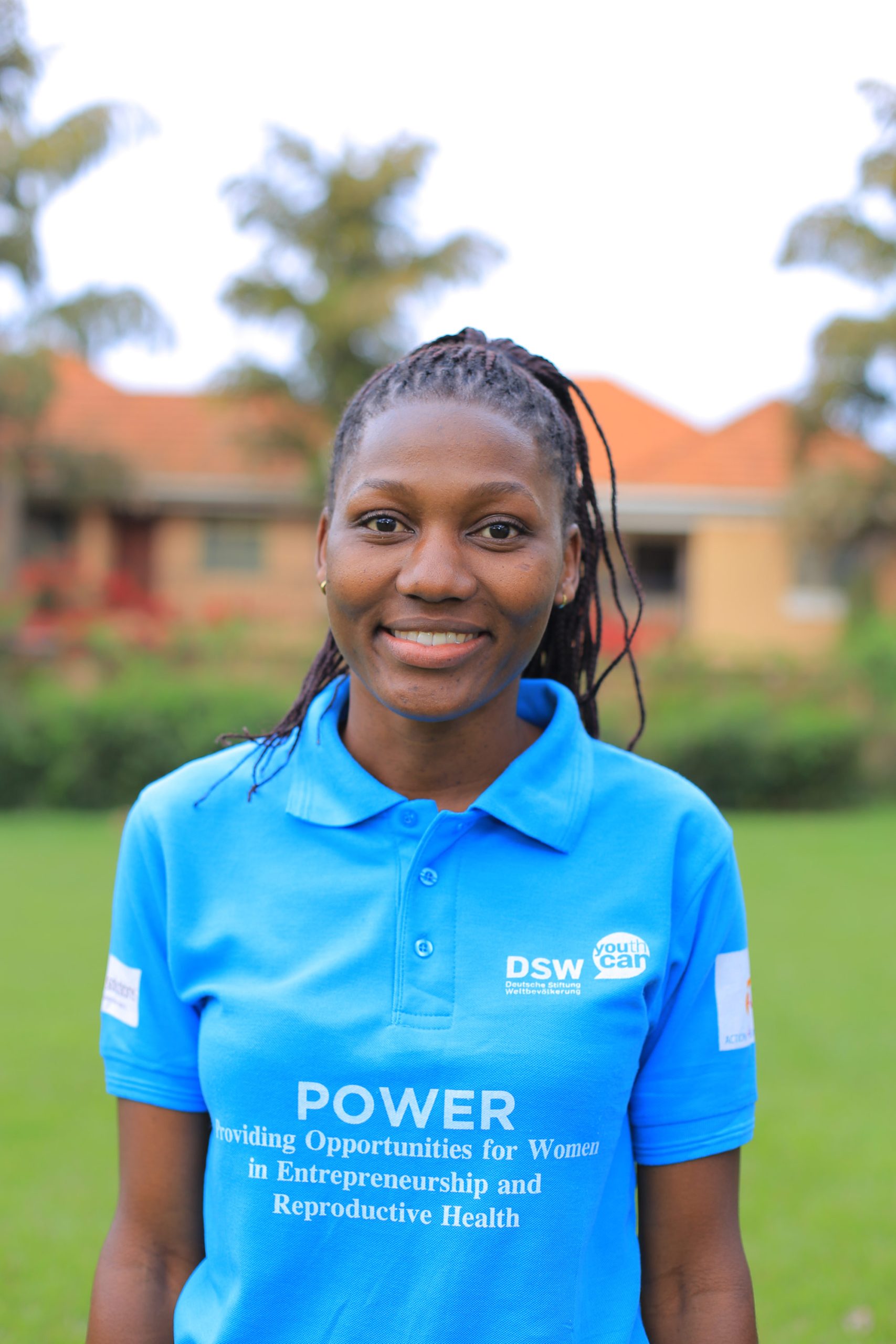
Mary Yaar
Startup: Founder of Marie Medicinal Haven (MMH)
Profile: MMH produces affordable and quality menstrual products for women and girls in Gulu District, Uganda.
How: Marie Medicinal Haven is a social entrepreneurship that provides economic empowerment to refugees through recruiting, practical skills training, mentorship, and employment. Although started as an eco-friendly soap production company, MMH will be expanding to include quality menstrual products based on natural materials.
Aim: In addition to the production and distribution of quality and affordable menstrual products for women and girls within Gulu District, the startup also aims to create awareness in the schools and surrounding communities through outreaches and dialogues.
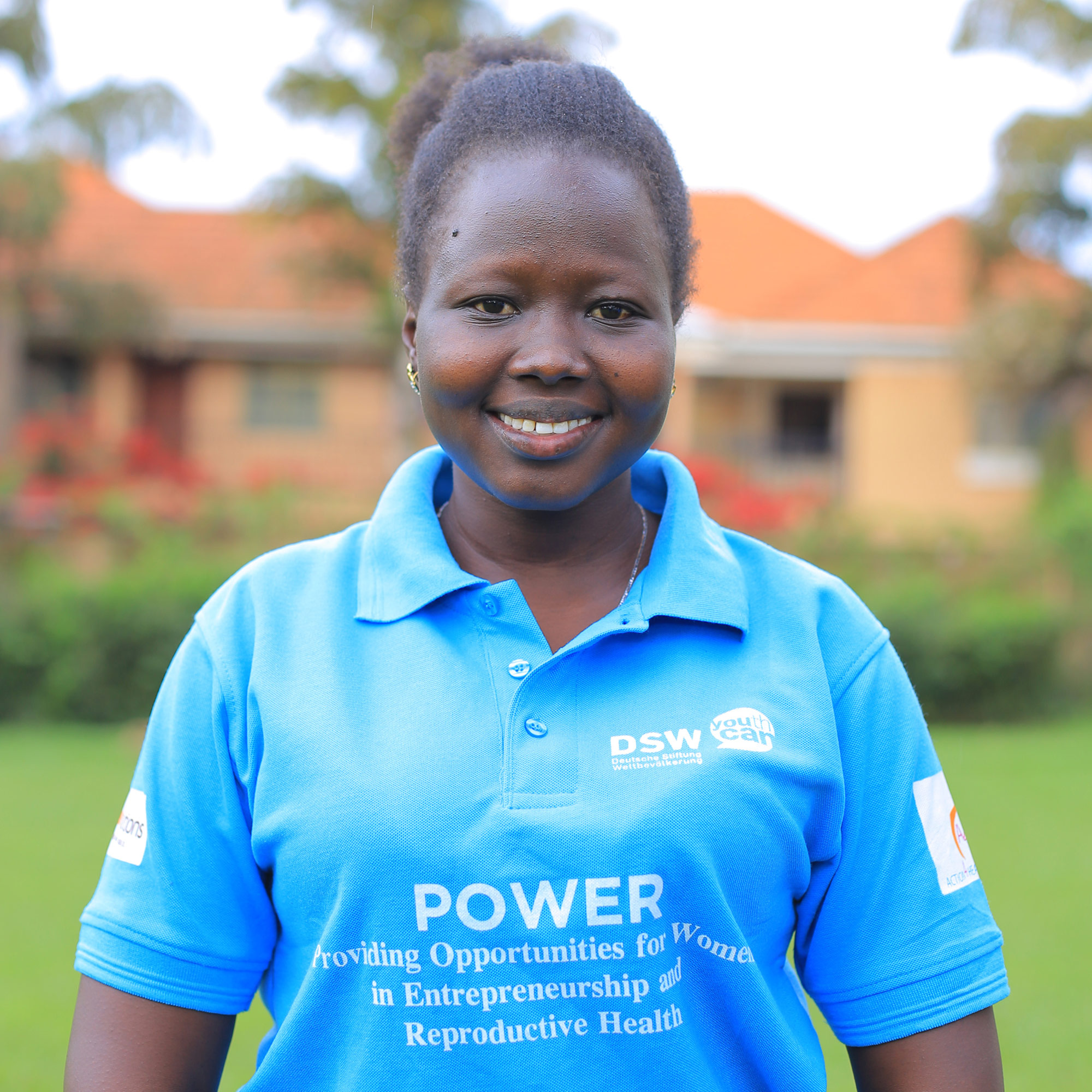
Vickie Sharon
Startup: Queen Hair Saloon (QHS)
Profile: Queen Hair Saloon is a hair maintenance and training initiative for young women in saloon management.
How: QHS is not your regular hair salon. QHS was created as a safe space for women to open up and share their sexual and reproductive health challenges, which are often broad in nature, from how to communicate with their partners about good sexual practices to their struggles to access youth-friendly and affordable SRH services. As well as peer-friendly FP/SRHR advice, the startup also provide courses in salon management.
Aim: To reach more women with SRHR/FP information and services, QHS will be scaled-up to provide menstrual hygiene management and the provision of affordable menstrual products. QHS will be a solid platform to empower young women, provide easy access to affordable menstrual products, and to get accurate (women-led) knowledge.
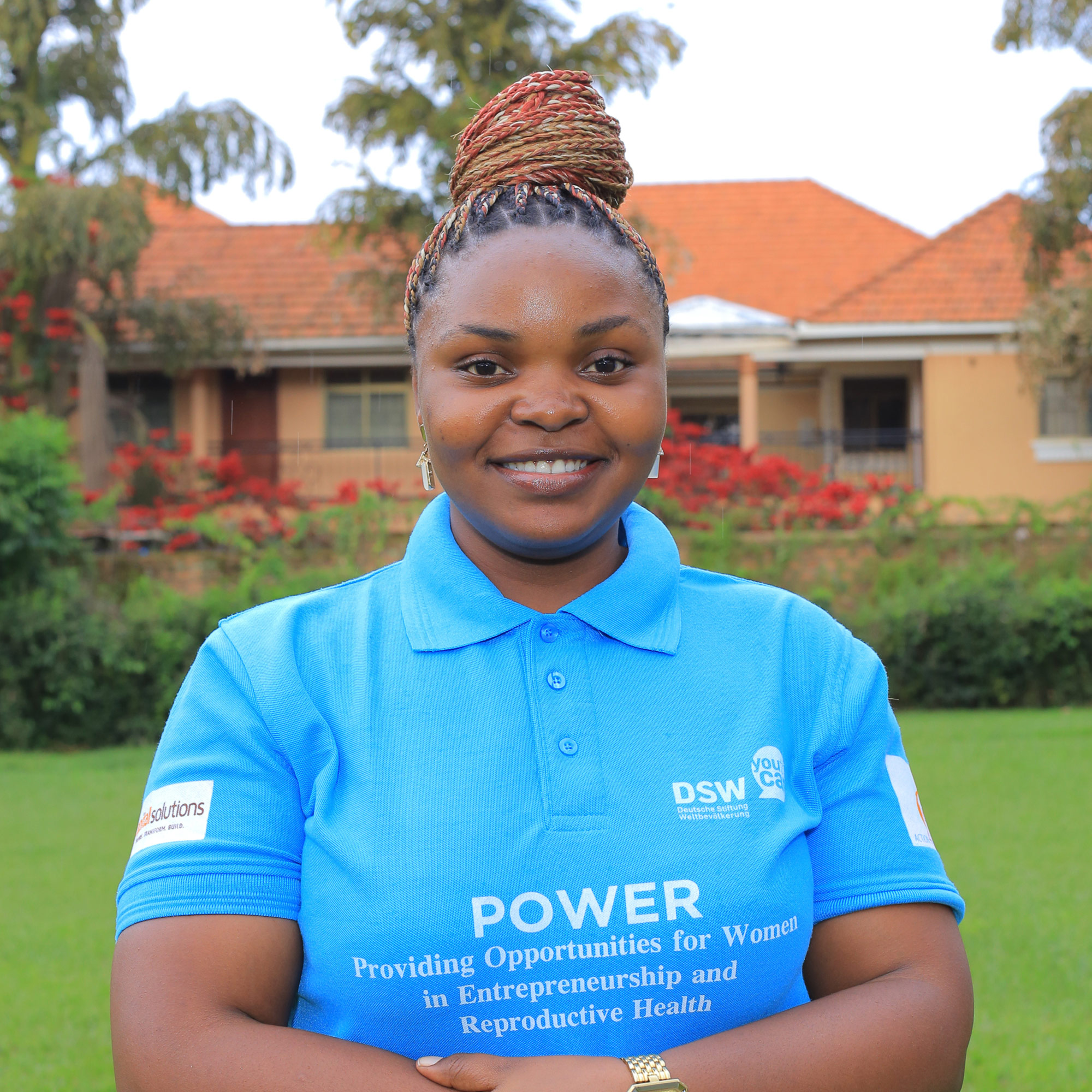
Babirye Angel
Startup: Us for Girls Foundation
Profile: The Foundation was started in 2021 by a team of four women, including Babirye Angel, to address SRHR challenges adolescent girls face in their local districts.
How: Though female founded, the Foundation includes both females and males who share the same passion for seeing girls grow within a healthy and safe environment. Via this accelerator, the founders want to shape and grow their direction towards reaching out to even more girls in Uganda and provide them with better knowledge and practices on menstrual hygiene.
Aim: To help adolescent girls and young women understand their SRHR needs, while addressing their challenges.
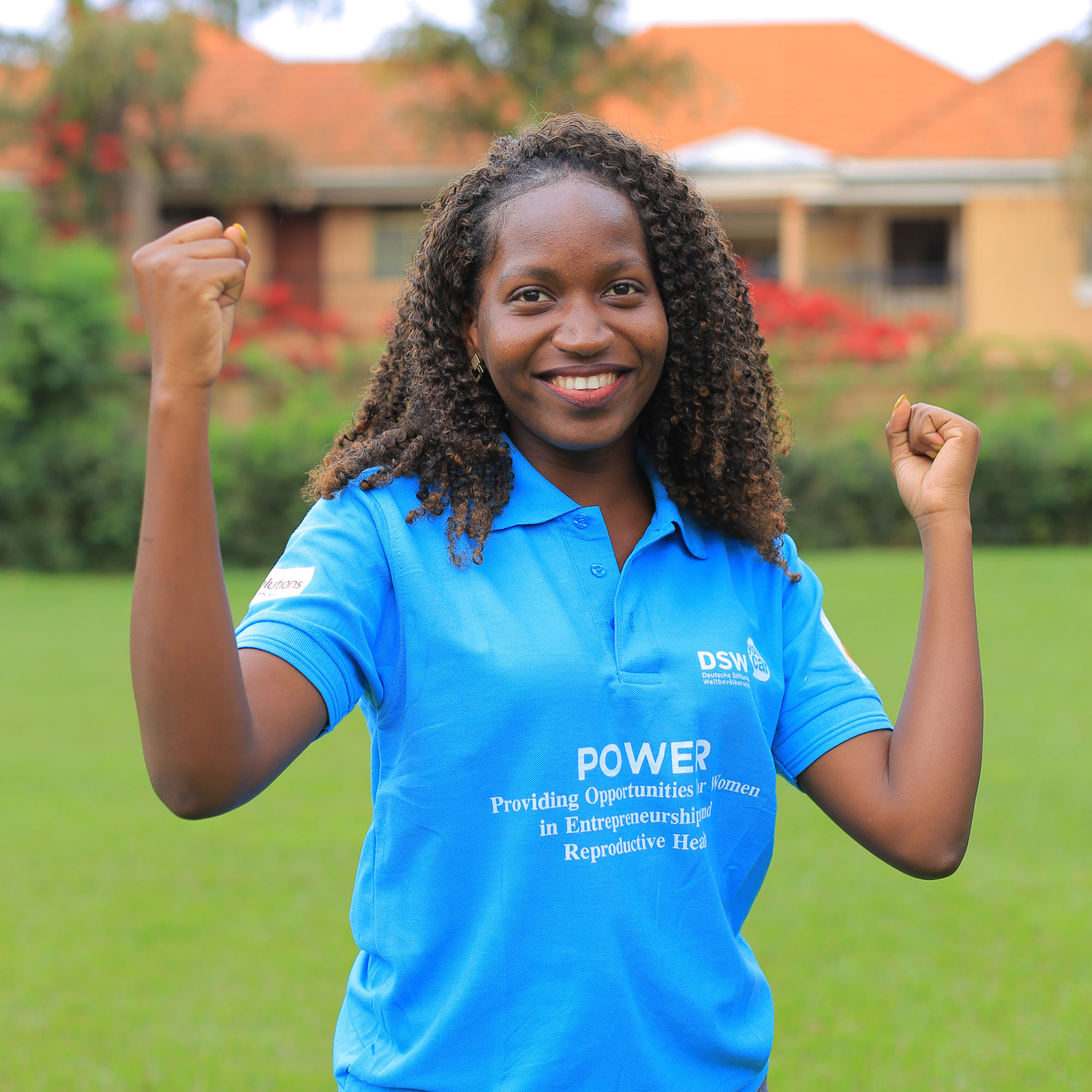
Edith Atim
Startup: Edith Foundation
Profile: To produce reusable pads of different sizes to fit all women body shapes and to sell these at reasonable prices.
How: Edith’s startup aims to make and sell re-usable pads at affordable prices and in various sizes. Her company will also promote accurate information on SRHR and menstrual hygiene management, in addition to antenatal care and delivery services to people living in remote communities.
Aim: A future of gender equality and proper menstrual hygiene management among women and girls across Uganda.
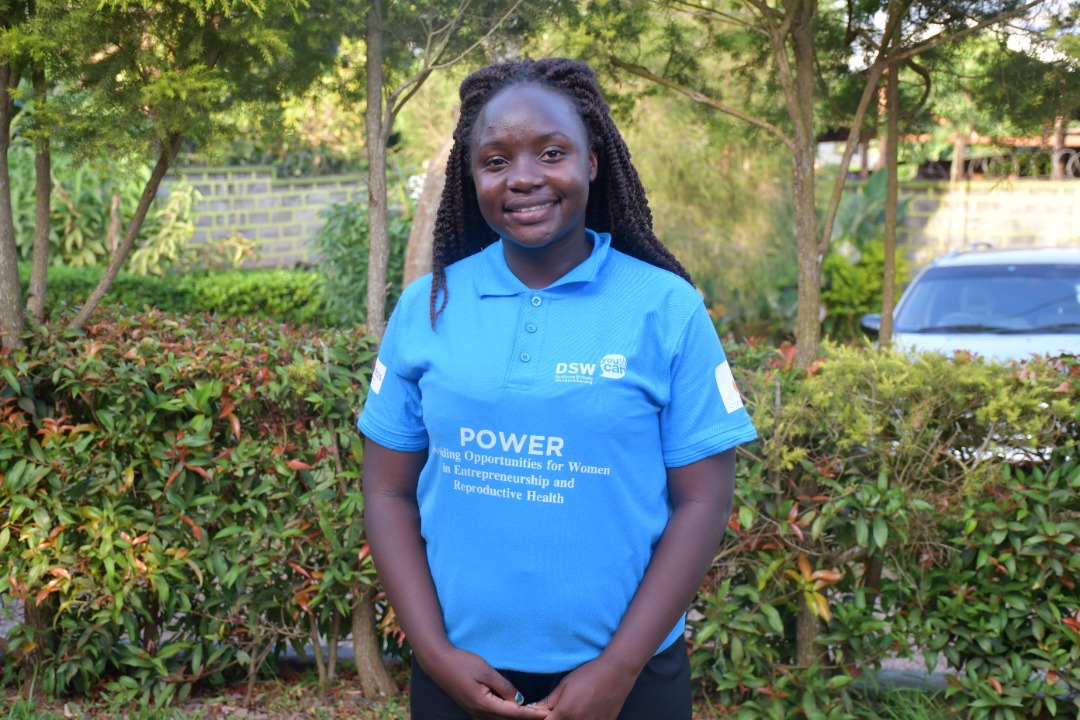
Fatuma Imanet
Startup: Lady Mariam Educational Centre
Profile: To create in-school spaces to teach FP/SRHR, income generating activities (IGAs), and advocacy for young mothers
How: As a former youth champion in Mityana District, Fatuma will use her experience to develop an educational hub that incorporates FP/SRHR, IGAs, and advocacy classes for young mothers that come to pick-up and drop-off their children from schools. The hub will not only be used as a source of information and referral for young mothers, but as a safe spot for them to share their issues and gain solutions.
Aim: To promote understanding, SRHR knowledge, independence, and power for young women and girls in Mityana District.
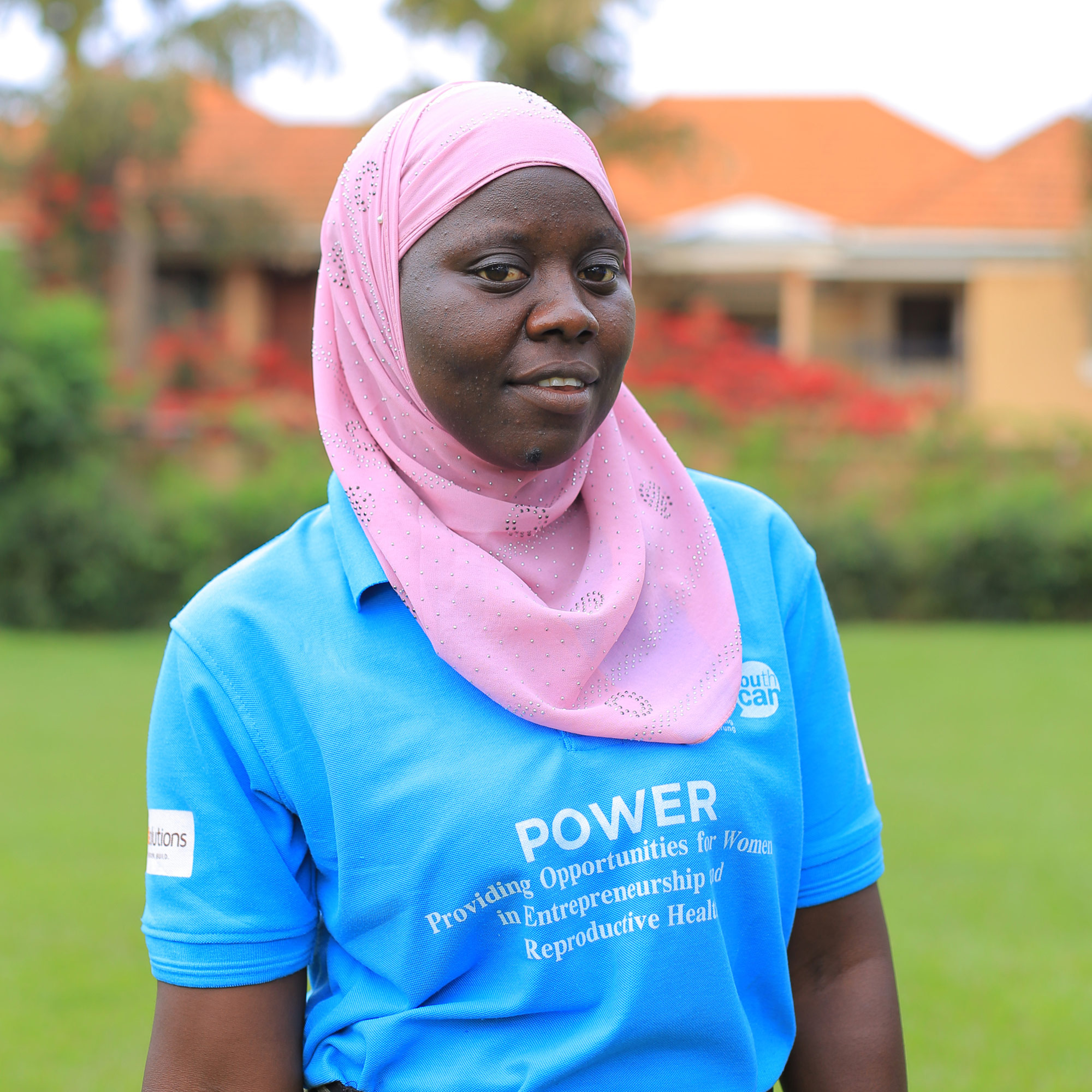
Maureen Kamara
Startup: Nisha Beauty Palace
Profile: Nisha Beauty Palace is committed to being a leader in the beauty industry by providing affordable beauty products and professional services. Health is wealth at Nisha, so sexual and reproductive education is emphasized in all its operations. This is done through condom distribution and refilling condom dispensers around Kampala. Referrals are also done for youth to access youth-friendly services.
Aim: To scale towards improving young people’s health, economic status and livelihood across Uganda.
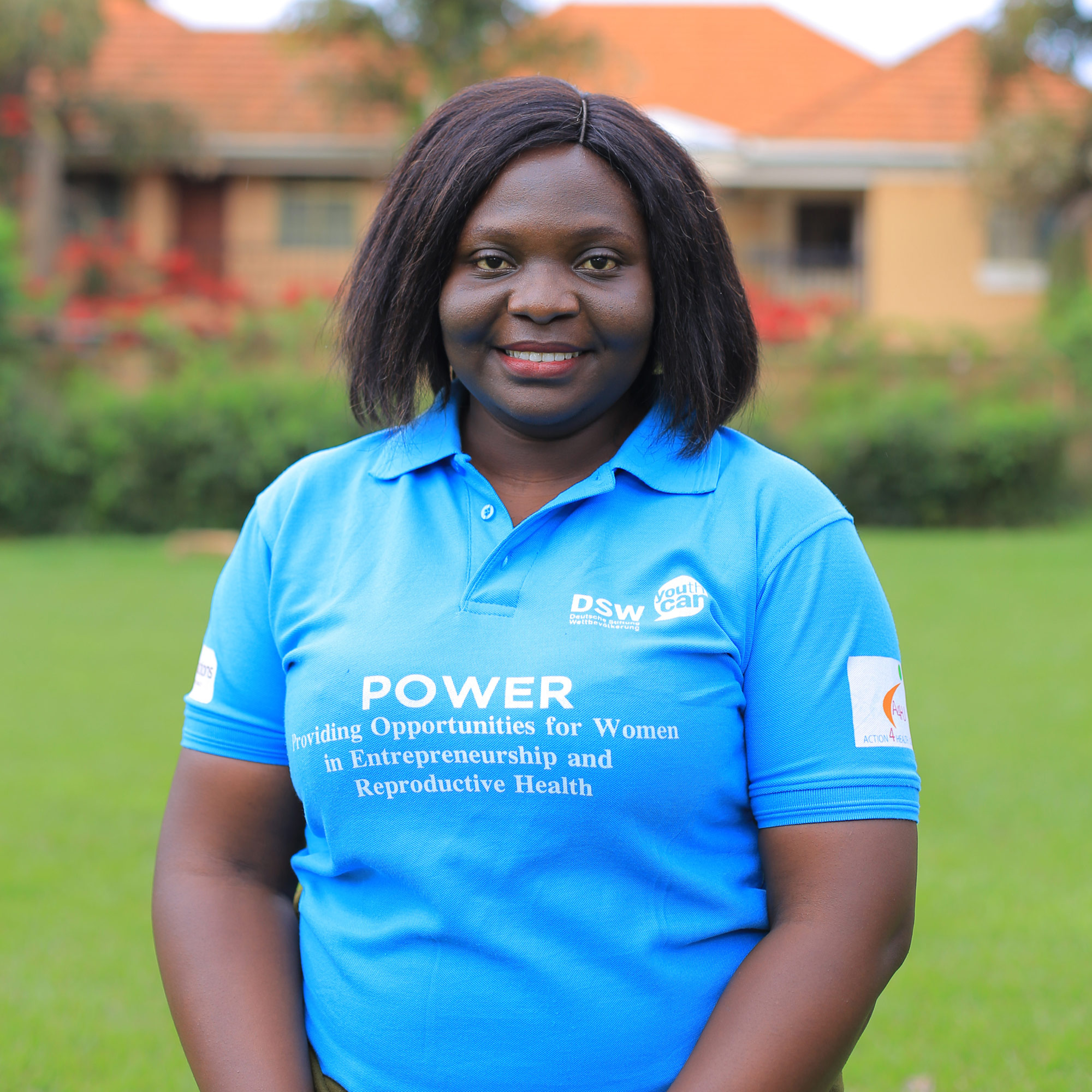
Winnie Nabukeera
Startup: Little Winnie Foundation
Profile: Little Winnie Foundation aims at creating awareness about HIV & AIDS via community sensitization, testing people for HIV, and health awareness.
How: With her team, Winnie has visited many schools under their school model program and sensitized children about HIV at all levels. Via the POWER pilot, they have begun a campaign for a Nurses & Midwives mentorship and coaching program. The Foundation aims at helping nurses and midwives find their purpose, passion – and to turn it into profit!
Aim: To continue to fight the stigma attached to HIV & AIDS, to spread testing and awareness, while at the same time helping nurses become more efficient and effective in terms of service delivery and customer care. The startup will empower nurses to find a work-life balance, prioritize their health needs, and also get entrepreneurship skills.

Are you interested in learning more about this exciting project?
Follow us to keep up with all the latest developments:
Have we sparked your interest?
For more information about this pilot and its potential, reach out to project manager Shane.
Your Contact Person

Head of Digital Transformation & Business Development Unit
Telephone: +49 (0)30 240006917
Email: shane.ohalloran[at]dsw.org